Please choose a body region on the right for you to pin point the problem area of your body.

Shop by Condition

Shop by Brand
In recent years, pulse oximeters have become crucial in both clinical and home settings, monitoring oxygen saturation levels in the blood efficiently. However, many users often wonder: how accurate is a pulse oximeter? This essential question not only addresses the functionality of the device but also impacts the reliability of the data it provides for managing health conditions.
 Understanding Pulse Oximetry
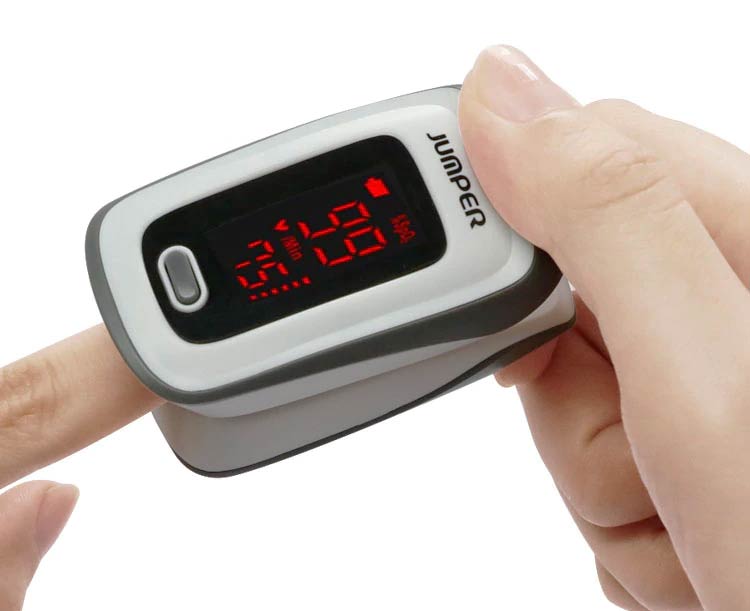
A pulse oximeter is a non-invasive device that estimates the oxygen saturation level (SpO2) of the blood. It does this by emitting and then absorbing a light wave passing through a blood-perfused part of the body, usually a fingertip or an earlobe. The oximeter then calculates the SpO2 by comparing the absorption of red and infrared light emitted by the device. Essentially, it provides a quick snapshot of how effectively oxygen is being carried from the lungs to parts of the body where it is needed.
The accuracy of a pulse oximeter can be influenced by several factors:
To maintain the accuracy of a pulse oximeter, regular calibration and proper maintenance are vital. Calibration involves checking and adjusting the oximeter's settings based on a known standard, such as a controlled oxygen environment in a lab setting. Additionally, keeping the device clean and ensuring that the sensors are unobstructed by dirt or debris can help sustain its accuracy and prolong its lifespan.
Despite the challenges, when used correctly, pulse oximeters are highly reliable for monitoring oxygen levels. They are particularly useful for patients with conditions that affect blood oxygen levels, such as chronic obstructive pulmonary disease (COPD) or asthma. For individuals undergoing wound healing , monitoring oxygen saturation can help assess the delivery of adequate oxygen to tissues, a critical factor in effective healing.
Pulse oximeters are indispensable tools for non-invasive oxygen saturation monitoring. While certain external and physiological factors can influence their accuracy, understanding these influences and how to mitigate them can help ensure more reliable readings. Regular maintenance and proper usage are crucial to the effectiveness of these devices.
For all your health monitoring needs, trust CWI Medical. We are committed to providing our customers with high-quality medical supplies and equipment, including nutrition and supplements , first aid items , and more. Explore our range of products, and let us support your health management with the best tools available. Visit us today for more information and to view our extensive product catalog to explore what we have for you.
| Stay Connected! |  |
 |
 |
 |
Related Articles





Get $10 off your next order when you sign up to receive our email newsletter.*
Simply enter your email address below!
*Minimum order value of $100. Valid email address to qualify.